Call Us
86-0311-85301359
Dec 17 2021
Read More

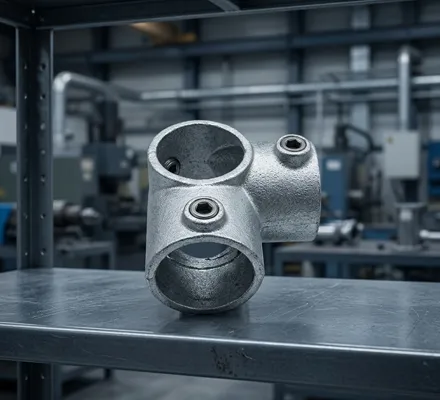
Tube clamp fittings are essential support components used to secure pipes, pipelines, hoses, and conduits. They help systems maintain tidy arrangements, reduce vibration, lower wear, and improve maintenance efficiency.
Shijiazhuang Donghuan Malleable Iron Technology Co., Ltd. has long been engaged in casting and machining manufacturing, with products covering malleable iron fittings, tube clamp fittings, pneumatic fittings, clamps, quick couplings, and copper valve fittings. For industrial buyers, equipment manufacturers, and engineering installers, tube clamp fittings, though small in size, directly impact the safety, stability, and lifespan of pipeline systems.
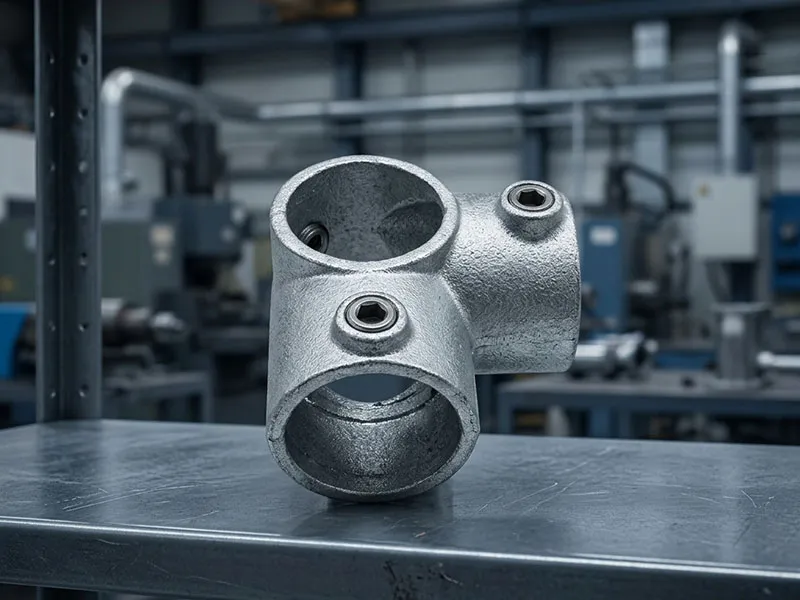
Tube clamp fittings are mechanical support components used to secure pipes, hoses, or conduits to walls, equipment, supports, or frames, reducing displacement, vibration, friction, and installation stress.
In hydraulic systems, pneumatic systems, mechanical equipment, construction installations, and industrial pipelines, the lack of reasonable support in pipelines may result in shaking, friction, noise, or even fatigue damage during operation. The core function of tube clamp fittings is to ensure that pipelines operate stably according to the design position, reducing future maintenance risks.
In common small-diameter pipeline arrangements, the support spacing is usually designed based on pipe diameter, pressure fluctuations, vibration conditions, and onsite structures. In practical engineering, the common reference range for small pipeline support spacing is about 0.6 m to 1.5 m. The more pronounced the vibration, the longer the pipeline, and the higher the equipment operation frequency, the shorter the support spacing typically needs to be.
More basic knowledge of pipeline support can be referenced here: Pipeline.
| Type of Tube Clamp Fittings | Main Function | Applicable Scenarios | Procurement Value |
| Standard Tube Clamp Fittings | Basic fixed support | Ordinary industrial pipelines, equipment piping | Moderate cost, easy installation |
| Heavy-Duty Tube Clamp Fittings | Enhanced clamping and load-bearing | Hydraulic equipment, construction machinery, vibrating environments | More suitable for high-intensity conditions |
| Padded Tube Clamp Fittings | Reduce friction and noise | Air circuits, light hydraulic pipelines, coated pipes | Protect the pipe surface |
| Custom Tube Clamp Fittings | Match special sizes or structures | Non-standard equipment, export projects, renovation works | Improve assembly adaptability |
When purchasing tube clamp fittings, priority should be given to confirming the pipe's outer diameter, installation hole size, material, surface treatment, fastener specifications, working environment, and packaging method. Shijiazhuang Donghuan Malleable Iron Technology Co., Ltd. can provide suitable product recommendations based on casting and processing experience, tailored to actual working conditions.
Tube clamp fittings can be made from malleable iron, ductile iron, cast steel, stainless steel, or padded structures to meet different load-bearing, corrosion resistance, vibration reduction, and environmental adaptation requirements.
The choice of material directly affects the service life of tube clamp fittings. The clamp structure required for indoor light pneumatic pipelines and outdoor heavy-duty equipment is different. The former focuses more on ease of installation and economy, while the latter emphasizes strength, impact resistance, corrosion resistance, and long-term reliability.
Shijiazhuang Donghuan Malleable Iron Technology Co., Ltd. has a variety of casting materials and machining experience and can provide production support related to tube clamp fittings according to customer use. For customers needing bulk purchases, stable dimensions, reliable surface treatment, and consistent assembly performance are crucial.
Corrosion is an important factor affecting the lifespan of metal tube clamp fittings, especially in humid, outdoor, coastal, or chemical environments. Related basic knowledge can be referenced here: Corrosion.
| Material or Surface Treatment | Main Advantages | Applicable Environment | Selection Recommendations |
|---|---|---|---|
| Malleable Iron | Good toughness, suitable for casting production | Ordinary industrial pipeline support | Balances strength and economy |
| Ductile Iron | Good strength and impact resistance | Heavy-duty equipment, mechanical frames | Suitable for high load-bearing scenarios |
| Cast Steel | Strong mechanical properties | High-strength industrial systems | Suitable for more stringent support requirements |
| Galvanized or Coated Treatment | Improves corrosion resistance | Indoor, semi-outdoor environments | Ensure coating uniformity and adhesion |
| Rubber or Plastic Padding | Protects the pipe body, reduces noise | Pipelines with noticeable vibration or surface needing protection | Helps reduce direct metal friction |
Dimensional accuracy is also critical. If there is a mismatch of about 1 mm between the pipe's outer diameter and the tube clamp's clamping area, it may lead to clamping looseness, installation rework, or uneven pressure on the pipe surface. Therefore, it is recommended to provide drawings, samples, dimension lists, or installation photos when purchasing.
For export orders or bulk projects, it is also important to confirm appearance requirements, thread quality, hole size, packaging method, and pallet load-bearing to avoid problems during transportation and assembly.
Tube clamp fittings are fixed components installed on equipment, walls, rails, supports, or frames, used to maintain stable pipeline arrangements, facilitate maintenance, and reduce the impact of operational vibration on the system.
The quality of tube clamp fittings is important, and so is the installation method. Many pipeline problems are not caused by the product itself but by improper selection, excessive installation spacing, unstable fixing bases, mismatched fasteners, or poor pipeline alignment.
In hydraulic and pneumatic systems, vibrations repeatedly act on pipelines and fasteners, which over time may lead to looseness, wear, noise, and even leakage. Proper installation of tube clamp fittings allows maintenance personnel to quickly identify pipeline paths, shorten disassembly time, and reduce the risk of unplanned downtime.
For basic knowledge related to vibration, refer here: Vibration.
| Selection or Installation Factors | Recommended Practices | Important Reasons |
|---|---|---|
| Pipe Outer Diameter | Select corresponding clamps based on actual outer diameter | Prevent looseness or excessive tightening |
| Support Spacing | Shorten spacing appropriately in areas with noticeable vibration | Reduce pipeline swinging and fatigue risk |
| Installation Base | Fix on solid walls, supports, or equipment frames | Enhance long-term stability |
| Fasteners | Select suitable bolts, nuts, and washers | Reduce loosening, improve safety |
| Maintenance Space | Reserve space for tool operation and inspection | Shorten maintenance time |
Before placing an order, buyers can prepare the following information in advance:
Pipe outer diameter
Product drawings or samples
Required material
Surface treatment requirements
Usage environment
Estimated purchase quantity
Packaging requirements
Destination or delivery requirements
The more complete this information is, the more efficient the quotation, sampling, and batch production confirmation will be. Shijiazhuang Donghuan Malleable Iron Technology Co., Ltd. adheres to a customer-oriented approach and can assist customers in evaluating tube clamp fitting solutions based on actual applications.
Tube clamp fittings are mainly used for securing pipes, hoses, conduits, and industrial pipelines, commonly found in hydraulic systems, pneumatic equipment, mechanical frames, construction installations, factory pipelines, and equipment supporting projects.
The most critical factor is confirming the pipe's outer diameter, while also confirming the clamp width, installation hole size, bolt specifications, base size, and onsite installation space. If there are drawings or samples, selection will be more accurate.
Yes, they are suitable. Hydraulic systems often experience pressure fluctuations and equipment vibrations during operation. Tube clamp fittings can help secure pipelines, reduce shaking, and lower the risk of pipe wear. Consider heavy-duty or padded structures in high-vibration scenarios.
Common materials include malleable iron, ductile iron, cast steel, stainless steel, and structures with rubber or plastic padding. The specific choice should be based on load-bearing requirements, corrosion environment, vibration conditions, and budget.
Yes, they can be customized according to drawings, samples, special sizes, installation hole positions, materials, and surface treatment requirements. Providing accurate technical information helps shorten the sampling period and reduce production errors.
Shijiazhuang Donghuan Malleable Iron Technology Co., Ltd. has experience in casting, processing, and industrial fittings manufacturing, and can provide practical support around material selection, size matching, surface treatment, and bulk supply, suitable for clients with stable procurement needs.
Although tube clamp fittings are basic components in industrial systems, they play an important role in pipeline stability, vibration and noise reduction, installation safety, and maintenance efficiency. Correctly selecting types, materials, surface treatments, and installation methods can reduce wear risks and enhance system operational reliability.
If you need tube clamp fittings for industrial pipelines, hydraulic equipment, pneumatic systems, mechanical frames, or non-standard projects, Shijiazhuang Donghuan Malleable Iron Technology Co., Ltd. can provide product selection, sample communication, and quotation support.
Feel free to provide drawings, samples, or dimension lists to get a suitable tube clamp fitting solution for your project.