Call Us
86-0311-85301359
Sep 09 2026
Read More

Hose couplings are very important connecting components in industrial pipeline systems, commonly used in scenarios involving the transportation of compressed air, water, oil, powders, slurries, and general fluids. For equipment manufacturers, engineering purchasers, and hardware fittings distributors, suitable hose couplings not only affect installation efficiency but also directly relate to sealing effects, service life, and on-site safety. Shijiazhuang Donghuan Malleable Iron Technology Co., Ltd. is located in Wuji County, Shijiazhuang City, Hebei Province, and has long been focused on casting production and mechanical processing. Their products cover malleable iron pipe fittings, European and American air hose couplings, heavy-duty double-bolt pipe clamps, pipe clamp accessories, grounding couplings, quick couplings, cam lock couplings, and copper valve accessories. Donghuan Malleable Iron Technology is customer-oriented, providing stable, durable, and easy-to-assemble product solutions for industrial connection systems.
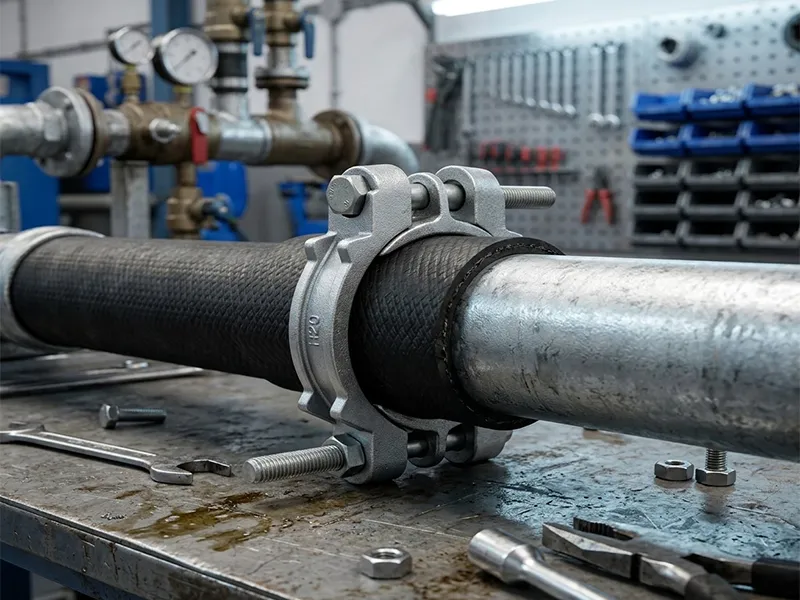
Hose couplings are connectors installed at the end of hoses, used to connect hoses, pipes, valves, equipment, nozzles, tools, or other hoses.
In a hose system, hoses are responsible for flexible transportation, while hose couplings are responsible for end connection, fixation, and sealing. It may seem like a small accessory, but if the wrong type is selected, it can lead to air leaks, water leaks, media loss, pressure drop, or even hose detachment, creating potential safety hazards. For basic concepts of hoses, refer to Hose related materials.
Common usage scenarios include:
Connection between air compressors and pneumatic tools
Compressed air pipelines in factory workshops
Temporary gas or water supply at construction sites
Mining, agriculture, shipbuilding, and machinery maintenance
Transportation of water, oil, powders, slurry, etc.
Hose matching connections in equipment manufacturing
A reliable hose coupling typically needs to meet the following three basic requirements:
Secure connection
Under conditions of pressure, vibration, dragging, and repeated use, the coupling should firmly hold the hose, reducing the risk of detachment.
Stable sealing
Seals, threads, sealing surfaces, and locking structures should fit well, reducing leakage and pressure loss.
Easy assembly
For scenarios requiring frequent assembly and disassembly, quick-connect structures can save maintenance time and improve on-site work efficiency.
Many pneumatic tools have a common working pressure of about 90 psi, but when purchasing hose couplings, one should not only refer to the tool pressure but also comprehensively consider the system's maximum pressure, instantaneous impact pressure, hose specifications, media type, and ambient temperature. For industrial applications, the rated pressure of the coupling should match the entire hose system.
When purchasing, it is recommended to focus on confirming the following information:
Hose inner and outer diameter
Working pressure and test pressure
Type of media being transported
Thread specifications and connection methods
Whether seals, safety clips, or clamps are needed
Surface treatment requirements
Whether the usage environment is humid, dusty, or corrosive
For bulk purchasing customers, the consistency in size of hose couplings is especially important. Products with stable dimensions, smooth threads, and well-processed sealing surfaces can reduce installation rework and after-sales issues.
The selection of hose couplings is a process of determining the material, size, sealing structure, and installation form of the coupling based on the media, pressure, temperature, hose specifications, connection method, and usage environment.
Hose couplings should not only be evaluated based on appearance and price but should be chosen according to actual working conditions. Different pipeline fittings have requirements for pressure-bearing, sealing, connection strength, and assembly methods. For related basic knowledge, refer to Pipe Fittings.
Before purchasing hose couplings, it is recommended to answer the following questions:
Is the media being transported air, water, oil, fuel, powder, or slurry?
Does the system require frequent assembly and disassembly?
What is the working pressure, and are there pressure fluctuations?
What is the hose's inner diameter?
Is the usage environment indoor, outdoor, humid, or high dust?
Is a European structure, American structure, or custom design needed?
Are matching clamps, seals, nuts, or safety pins needed?
Common hose inner diameters include 1/4 in, 3/8 in, 1/2 in, 3/4 in, 1 in, 1-1/2 in, 2 in, etc. Some threaded connections may use tapered thread structures, with a common taper of 1:16. When placing an order, specifications should be confirmed through drawings, samples, or thread gauges to avoid mismatches between different market standards.
| Type of Hose Coupling | Common Application Scenarios | Common Materials | Main Advantages | Procurement Considerations |
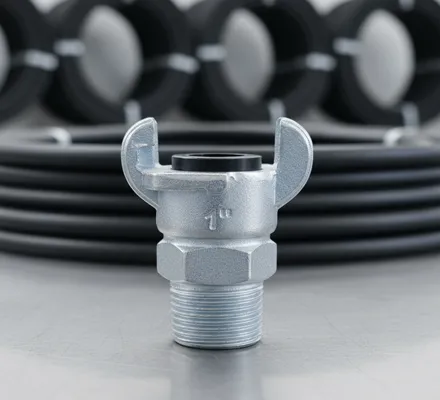
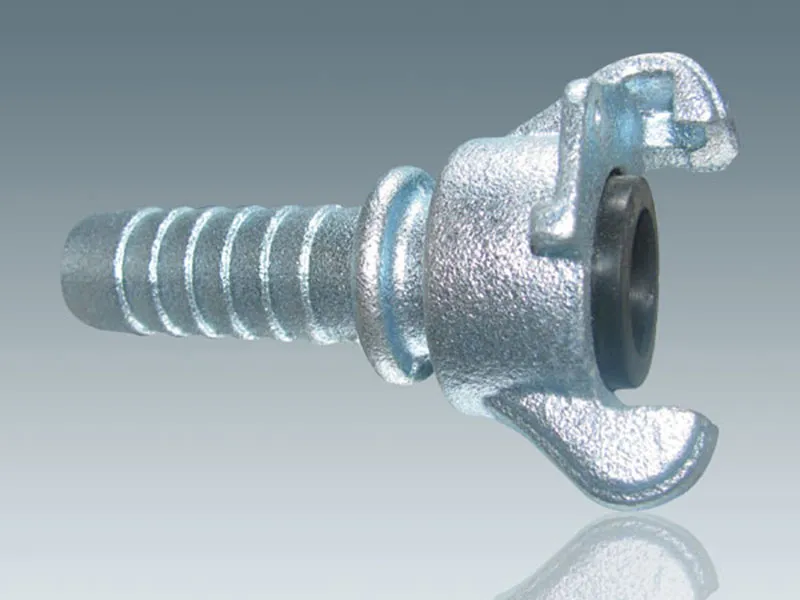
| Air Hose Coupling | Air compressors, pneumatic tools, workshop air supply | Malleable Iron, Steel | Quick connection, wide applicability | Confirm claw distance, seal requirements, and safety clip needs |
| Grounding Coupling | Air, water, steam, and heavy-duty transport | Iron, Steel, Copper | Strong structure, suitable for high-strength connections | Coupling body, nut, and seal must match |
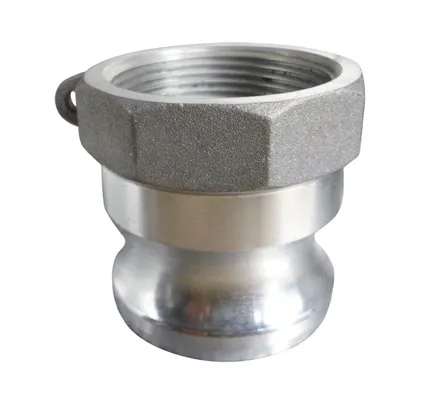
| Cam Lock Coupling | Water, oil, agricultural irrigation, loading and unloading systems | Aluminum, Copper, Stainless Steel, Iron | No tools needed, easy to open and close | Confirm cam structure and seal material |
| Quick Coupling | Pneumatic tools, frequently disassembled locations | Steel, Copper, Stainless Steel | High assembly and disassembly efficiency | Note flow rate, pressure, and interchangeability |
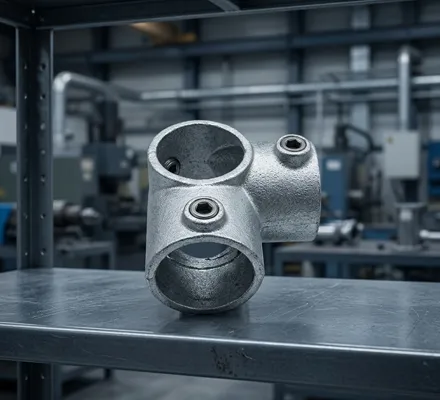
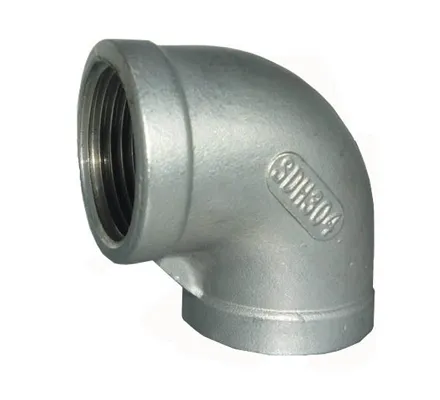
| Threaded Hose Coupling | Fixed hose and pipe connection | Malleable Iron, Copper, Steel | Simple installation, stable connection | Must confirm thread specifications |
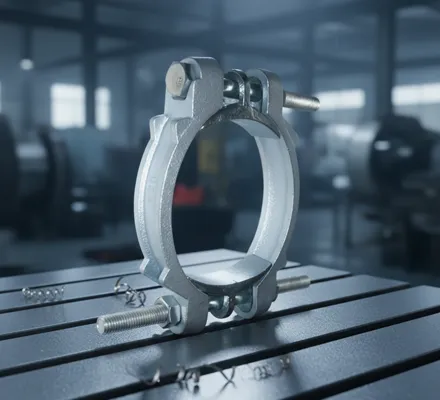
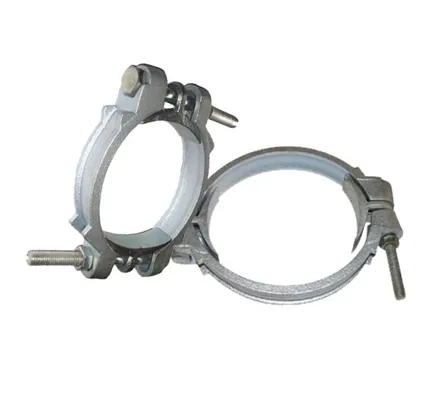
| Pipe Clamp Hose Coupling | Large diameter hose, on-site assembly | Iron, Steel | Strong clamping force, easy maintenance | Clamp size and locking method must match |
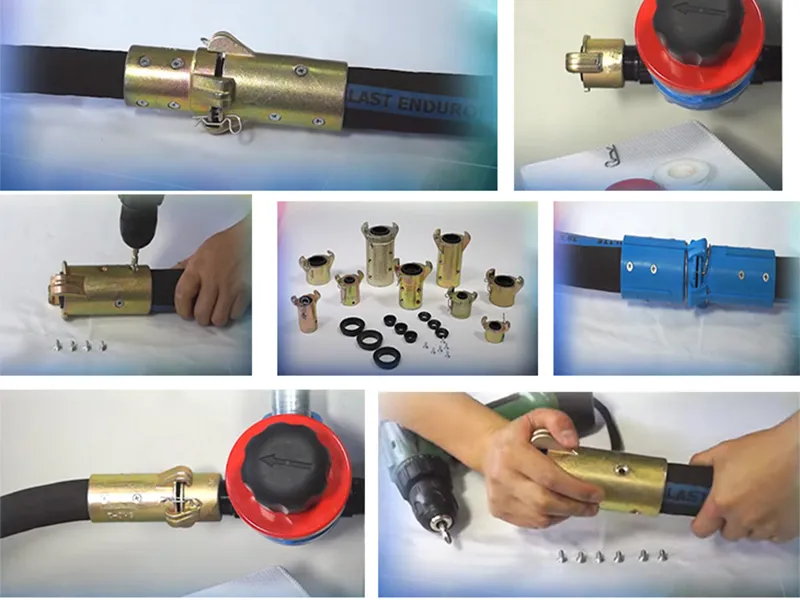
Donghuan Malleable Iron Technology can produce air hose couplings, grounding couplings, quick couplings, cam lock couplings, heavy-duty double-bolt pipe clamps, and related connectors, suitable for various hose assembly needs.
Different materials of hose couplings are suitable for different usage environments:
Malleable iron hose couplings: Good toughness, strong impact resistance, suitable for air pipelines and general industrial connections.
Ductile iron hose couplings: Higher mechanical strength, suitable for scenarios with higher load-bearing requirements.
Copper hose couplings: Good processing performance, better corrosion resistance, commonly used in water, gas, and some low-corrosion environments.
Steel hose couplings: High strength, suitable for heavier load connections.
Stainless steel hose couplings: Outstanding corrosion resistance, suitable for humid, corrosive, or high hygiene requirement environments.
From a procurement perspective, if it is just for low-pressure ordinary air pipelines, cost, assembly efficiency, and sealing stability can be the focus; if for frequent disassembly scenarios, connection structure and wear resistance should be emphasized; if for outdoor or humid environments, surface treatment and corrosion resistance should be prioritized.